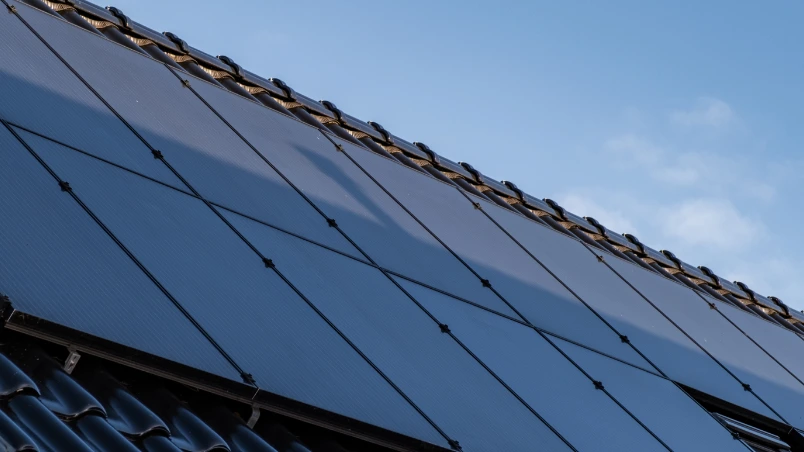
A roof is a good solar candidate when its condition, usable space, sunlight, and structure support a practical design. A sunny address alone does not establish that a particular roof is ready. The most useful assessment examines both energy production and the work needed to install the array.
For Los Angeles, Riverside, and Ventura County homeowners, begin with information you can gather safely from records and ground-level observations. A qualified professional should handle roof access, structural evaluation, and installation planning.
Start with condition and remaining life
Find the roof’s installation date, material, repair history, and any warranty documents. Note known leaks or recent damage. Age is a starting point, not a pass-or-fail rule: materials, maintenance, and actual condition matter. The Department of Energy advises considering roof age and the time until replacement when evaluating solar.
If replacement may be needed soon, obtain a roofing assessment before finalizing the solar project. Ask for written findings and identify who is responsible for any repairs. Do not treat a satellite drawing or a salesperson’s visual impression as a structural or roofing report.
Understand the cost of roof work after solar
A later roof project may require removing and reinstalling panels. The EPA identifies roof condition and the possibility of array removal during future replacement as important planning considerations. Before proceeding, ask which company would handle that work and how its cost would be determined.
Compare two written scopes if necessary: solar on the existing roof, and roof work completed before solar. Include any added coordination and warranty responsibilities. The comparison should make visible the work you are doing now and the work you may be deferring.
Look at shade across the proposed array
Trees, chimneys, nearby buildings, and roof features can affect available sunlight. Ask for a shade analysis showing which roof planes are productive and which are constrained. A roof that looks sunny at noon may have a different morning or afternoon pattern.
Avoid assuming that trimming or removing trees is part of a proposal unless it is written into the scope and appropriately approved. If a design depends on future vegetation changes, request a second production scenario without those changes. That makes the dependency easier to evaluate.
Roof direction is one input, not the whole design
Orientation and tilt affect production, but the best available layout depends on the property. Ask the designer to explain the expected output for each roof plane rather than presenting one county-wide average. Compare projected energy and installation cost for alternative layouts where practical.
A professional assessment also needs to address structural capacity and electrical service. Pacific Northwest National Laboratory’s assessment guidance includes roof covering, structural capacity, array orientation, and electrical service considerations. Your local permit requirements and site-specific findings determine the final design.
Usable roof area is smaller than total roof area
A large roof does not mean every square foot can hold panels. Ask for a layout that identifies roof equipment, obstructions, and required access or clearance areas. Have the installer explain the applicable requirements rather than estimating panel count from an aerial roof area alone.
If a battery is part of the project, ask about its proposed location at the same time. The equipment location, access, electrical route, and installation requirements belong in the scope review before a final commitment.
Bring these items to the roof assessment
- Roof installation date and available warranty records.
- A list of known leaks, repairs, and planned roof work.
- Existing plans or structural information, if available.
- A clear description of shade concerns and nearby obstructions.
- Questions about roof penetrations, waterproofing, and service responsibilities.
- Any homeowner association documents relevant to the project.
Frequently asked questions
Do I need a new roof before solar?
Not always. Ask a qualified roofer and the solar designer to evaluate the actual condition and remaining service life, then compare the practical timing of both projects.
Can solar go on a tile roof?
The material alone does not answer whether your home is suitable. Ask for a material-specific mounting plan, an assessment of the roof, and clear responsibility for any damage or repairs.
Can a partly shaded roof still work?
Possibly. Request a design and production estimate that explicitly account for the shade. Compare the output and cost of the affected roof planes.
For the next design questions, explore our solar panel options and homeowner FAQs.
Want to understand the options for your property? Request a free solar assessment. Los Angeles Solar Advisory helps homeowners in Los Angeles, Riverside, and Ventura counties explore solar options through consultations representing Axia by Qcells. Your proposal should reflect your home, utility, and contract terms.