If you’ve been watching your electricity bills climb year after year, you’re not alone. Millions of homeowners across the U.S. are asking the same question: how much do people save switching to solar? The answer depends on several factors, but the short version is that going solar in 2026 remains one of the strongest long-term financial moves a homeowner can make, even after recent changes to federal incentives.
Key Takeaways
Most homeowners who install solar panels in 2026 can expect to save between $37,000 and $154,000 over 25 years on electricity bills, depending on location, usage, and system size. The national average sits around $60,000 in lifetime solar savings for a typical rooftop solar system purchased with cash, based on current electricity prices and a panel lifespan of 25 to 30 years. Homeowners typically save between $1,000 and $2,000 per year on energy costs once their system is operational.
Payback time is usually 7 to 12 years in sunny, high-cost states like California or Hawaii, but can stretch longer where power is cheaper or incentives are limited. Rising electricity rates, which have increased by about 2.8% annually over the past decade, are a major reason why going solar today often beats staying with the utility. To understand exactly how much you can save with solar in your specific situation, compare personalized quotes that factor in system size, incentives, and financing. Enter your zip code on a reputable quote platform to see solar prices near you.
How Much Do Solar Panels Really Save the Average Homeowner?
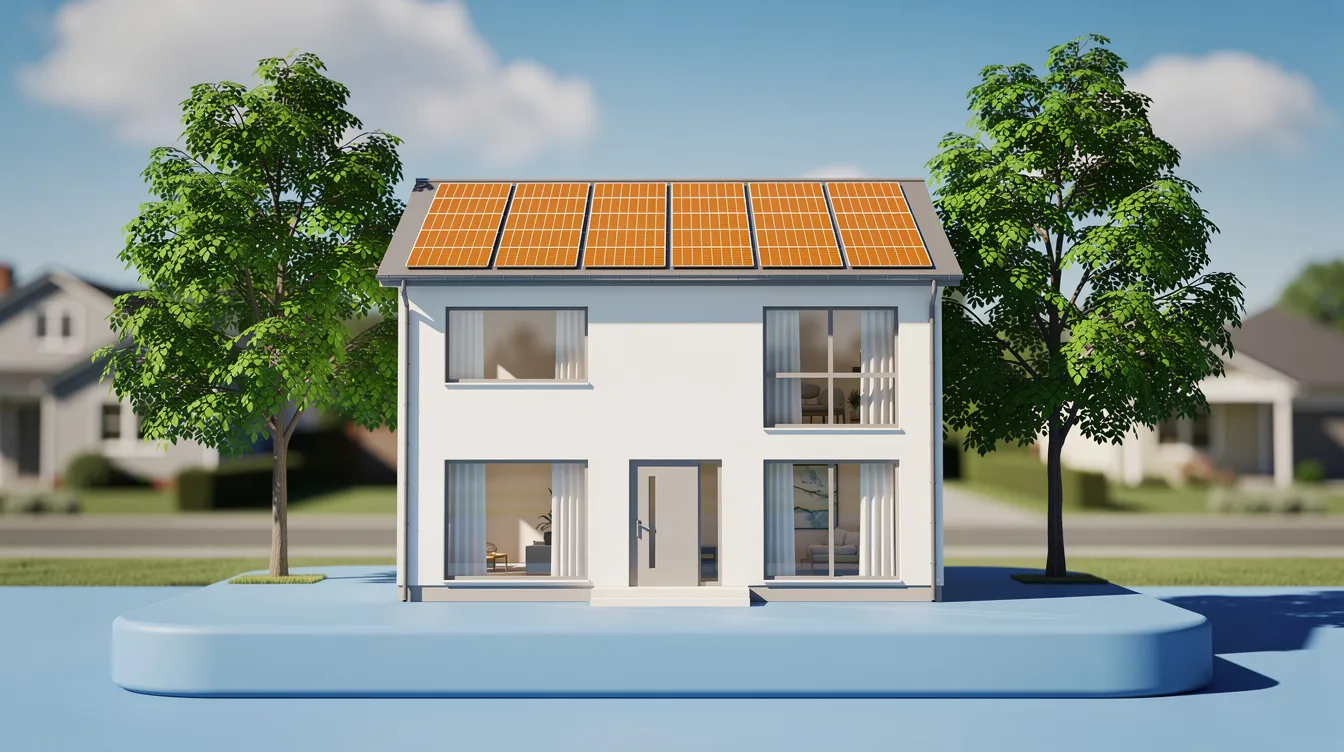
A typical 12 kW rooftop solar system in the U.S. can save around $60,000 to $70,000 over 25 years after system cost, according to EnergySage marketplace data. Residential solar power can lead to significant long-term financial savings because your annual electricity bills without solar would keep rising, while a paid-off solar panel system produces low-cost solar energy for decades. A standard residential solar system can reduce electricity costs by 50% to 90%, and solar panels can reduce or eliminate monthly electricity bills entirely.
Here’s how savings differ by household profile:
- A modest user in a moderate-rate state (roughly 10,000 kWh per year at about 17 cents per kWh) can expect approximately $50,000 to $70,000 in lifetime savings.
- A high user in a high-rate state like California (14,000+ kWh per year at 33 cents per kWh) could see savings climb past $100,000, sometimes reaching $150,000 or more.
- In a low-rate state like Washington (around 14 cents per kWh), lifetime savings might land closer to $40,000 to $50,000.
These figures assume the homeowner owns the system, uses most of the energy produced on-site, and has at least average sun exposure.
What Determines How Much You Can Save by Going Solar?
Your potential solar savings depend on several factors: your current electric bill, local electricity rates, rooftop solar potential, installation cost, available incentives, and how you choose to finance the system. Local electricity rates influence the amount of savings homeowners can achieve from solar, and solar savings depend on installation costs and energy usage.
Higher electricity bills today generally translate into larger total energy savings over 20 to 25 years. Your roof matters too: south facing roofs with a tilt of roughly 15 to 40 degrees produce the most energy in the U.S. Shading from trees or neighboring buildings can cut output significantly. System size also plays a role. Larger systems cost more upfront but offset a greater share of your electricity needs if your usage is high enough.
How Your Solar Installation Cost Affects Savings
Solar panel system cost is typically quoted in dollars per watt. In 2026, national residential averages land in the mid-$2 per watt range before incentives. Solar installation costs vary by system size and equipment quality, and solar costs are generally lower in warm states than cold states due to simpler roof work and competitive installer markets.
Concrete examples:
- A 6 kW solar panel system might cost around $15,000 to $18,000 before incentives.
- A 10 to 12 kilowatt kW solar panel system typically runs in the upper $20,000s to low $30,000s.
System cost depends on panel efficiency, inverter choice, roof complexity, and installer labor rates. Lower upfront costs shorten payback time, but very cheap equipment can reduce performance and eat into long-term savings. High initial costs are a barrier to solar adoption for some homeowners, which is why you should see solar prices from several reputable installers, compare system designs, and weigh warranties and service quality, not just the sticker price.
How Much You Pay for Electricity Now (and Why It Matters)
Your current electricity rate and monthly usage are the strongest predictors of how much you can save by switching to solar. A typical U.S. household uses around 10,000 to 11,000 kWh per year. At roughly $0.18 to $0.22 per kWh in 2026, that adds up to $2,000 or more per year in utility bill costs, according to EIA data.
Electricity rates increase by about 2.8% annually. Electricity prices historically increase over time, making solar cost-effective for long-term savings. Over 20 to 25 years, those compounding increases mean the grid power you avoid buying becomes increasingly expensive, while how much electricity your panels produce stays relatively steady.
In places with high utility rates like parts of California, New England, or Hawaii, solar can sometimes cut lifetime energy costs by well over $100,000 for heavy users. Pull out a recent electric bill, look at your kWh rate and monthly average, and you’ll start to visualize your own immediate savings potential.
How Incentives, Tax Credits, and Net Metering Boost Savings
Federal, state, and local incentives can significantly reduce the initial cost of installing solar. The federal solar energy credit is a tax credit for solar systems; however, the 30% residential Investment Tax Credit expired for new installations after December 31, 2025. Many states offer incentives for rooftop solar customers through rebates, property-tax exemptions, or performance-based payments. State tax credits can lower solar payback periods significantly. The Database of State Incentives for Renewables & Efficiency lists upfront incentives available in your area.
Net metering programs allow homeowners to receive credits for excess solar energy fed back to the grid. When your solar panels produce more than you use, excess electricity is sent to the utility and you earn credits that reduce future electricity bills. Some areas now use net billing or time-varying export rates where credits may be worth less than full retail, slightly reducing savings but still making solar attractive. In states with strong net metering, payback time can shorten by several years compared with a no-incentive scenario.
How You Pay for Your Solar Panels: Cash, Loans, and Other Options
Your financing structure changes both monthly cash flow and total lifetime solar savings. Financing options include cash, loans, leases, or PPAs. Here’s how they compare:
- Pay cash: Highest upfront costs but maximum lifetime savings. Cash purchases typically have a payback period of about 10 years, with no interest eating into returns.
- Solar loans: Fixed-rate loans spread system cost over 5 to 20 years. Monthly loan-plus-electricity payments can be similar to or lower costs than your previous utility bill, delivering day-one savings for many homeowners.
- Leases and PPAs: A power purchase agreement lets you save money without owning the solar system. Little or no upfront cost and immediate savings on your electric bill, but generally lower total lifetime returns since a third party owns the panels.
Compare scenarios side by side, looking at monthly payments, payback period, and total 25-year savings before deciding.
Estimating Solar Payback Time and Long-Term ROI
Payback time is the number of years it takes for your cumulative annual savings on electricity bills to equal the net cost of your solar panel system. The average payback period for residential solar systems is typically 7 to 10 years. Without incentives, the average payback period is about 10 years, or more precisely about 10.1 years.
A simple example: if your net system cost after incentives is $22,000 and your estimated annual savings are $2,200, your payback time is roughly 10 years. The financial benefits of solar need to be evaluated against the initial investment costs to confirm the math works for your situation.
Once you pass payback, the remaining 10 to 15 or more years of panel life are essentially profit years of free electricity, where the energy produced is dramatically cheaper than grid power. Think of solar as a long-term investment in your home, not just a gadget purchase. The average solar installation payback period is about 10 years, after which you’re effectively earning a return that outpaces many traditional savings vehicles.
Beyond Money: Environmental and Lifestyle Benefits of Going Solar
While most homeowners go solar to save money, the environmental impact and energy independence are meaningful bonuses. A typical residential solar system can offset tens of tons of CO₂ over 25 years, comparable to planting thousands of trees or removing multiple cars from the road. Adopting solar energy helps protect homeowners from fluctuations in electricity prices, giving more predictability in household budgeting.
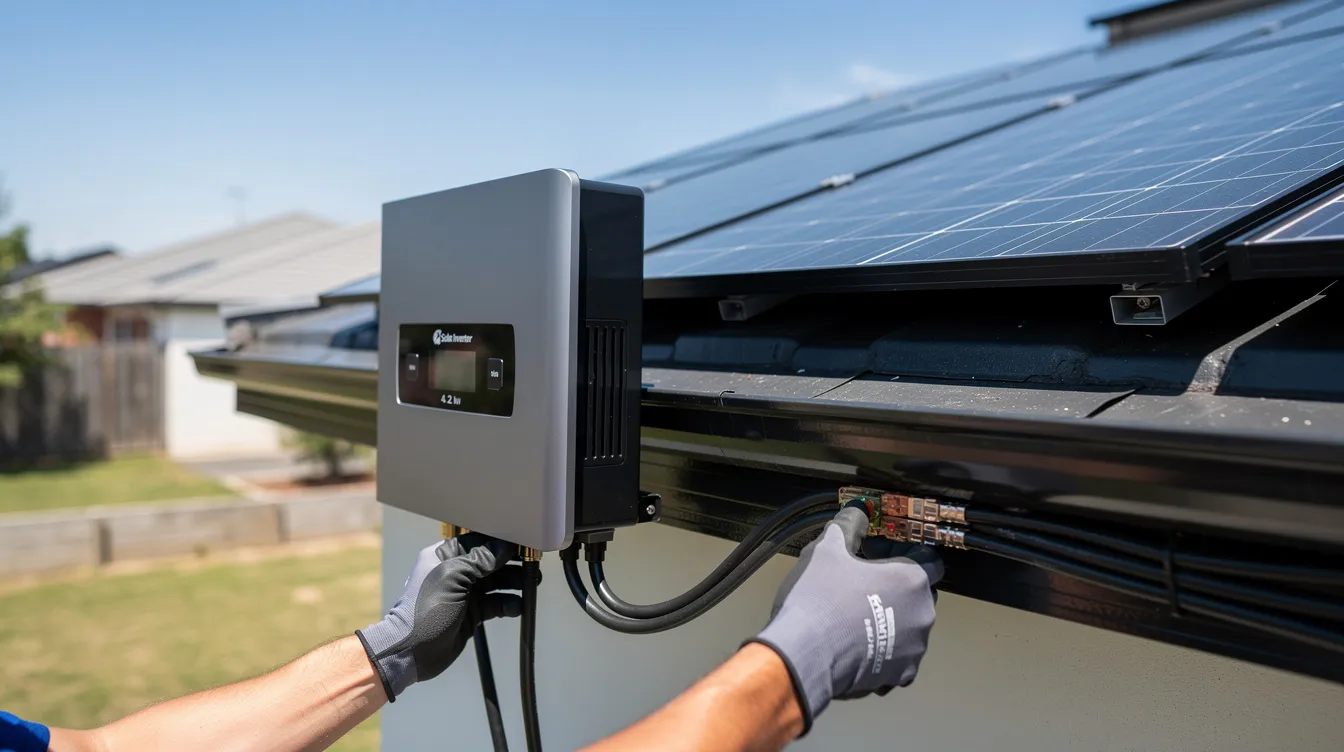
Potential additional savings can come from battery storage paired with solar panels. A home battery storage unit mounted on the exterior wall surrounded by two green trees might not sound glamorous, but it keeps essential loads running during grid outages. Pairing rooftop solar with a battery storage unit mounted alongside your system adds resilience, especially in regions with wildfire or storm-related blackouts.
FAQ: Common Questions About How Much You Can Save With Solar
How much can most homeowners expect to save on their electric bill with solar?
Most homeowners who properly size a rooftop solar system to match their usage can reduce monthly electricity bills by 60% to 100%. Some customers still pay small fixed charges to the utility, but their variable electricity costs drop dramatically once panels on the roof start producing power. Over 25 years, homeowners save between $37,000 and $154,000 depending on their rate, usage, and state.
Does solar still make sense if I don’t use a lot of electricity?
Savings are smaller when usage is low because there’s less expensive grid electricity to replace, so payback can take longer. Low-usage homeowners should focus on modestly sized systems designed to offset a reasonable portion of their load. Environmental benefits may be a bigger motivator than pure financial return in these cases.
What happens to my savings if electricity prices go down instead of up?
While short-term price dips can happen, long-term utility rates have historically trended upward. If rates rose more slowly than expected, total lifetime savings would be lower than projections, but owning a paid-off solar system still provides inexpensive power and insulation from future rate spikes.
Do solar panels still save money if my utility reduced net metering?
Less generous export credits lower the value of excess solar sent back to the grid, so oversized systems become less profitable. Consider sizing your system closer to on-site consumption and possibly pairing it with a customized solar and energy storage setup so more renewable energy is used directly in your home at full retail value.
Will installing solar panels increase my home’s resale value?
Solar panels can increase home value by 5% to 10%, according to multiple studies over the last decade. Buyers value lower future electricity bills. Leased systems can also be attractive, but buyers and lenders may review the lease or power purchase agreement terms carefully. Keep documentation organized for a smooth sale process.
Leave a Reply