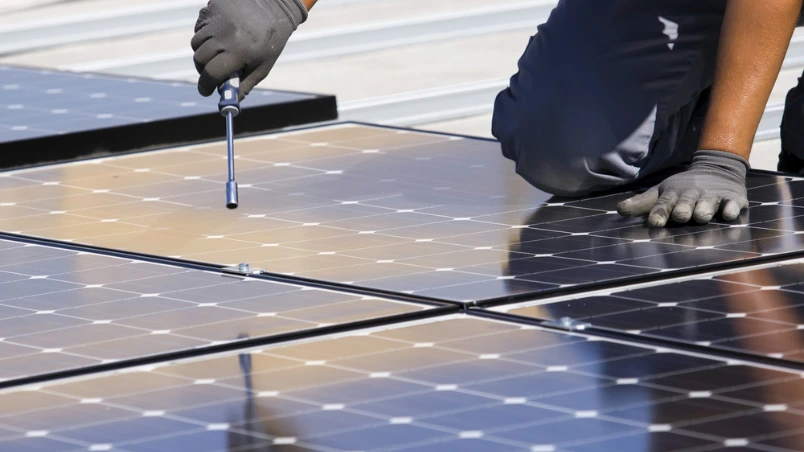
Installing the panels is one stage of a solar project, not the entire process. A Southern California installation also involves design, approvals, inspection, and utility authorization. The schedule for your home depends on what the site needs and how each approval proceeds.
Rather than relying on a single promised completion date, ask for a milestone schedule showing the responsible party and current status at every stage. That makes it easier to identify what is complete and what is holding up the next step.
1. Electricity review and initial assessment
Gather 12 months of electricity use, your utility rate name, and any plans for an electric vehicle, heat pump, or other new loads. Explain whether your priority is electricity costs, backup power, or both. Ask the provider to document the goals it is designing around.
At this stage, a preliminary estimate should be clearly distinguished from a final site-approved scope. Ask which assumptions could change after the survey and what would happen if the property needs roof or electrical work.
2. Site survey and design
The installer evaluates the roof, shade, electrical equipment, and proposed equipment locations. If batteries are included, the design should explain capacity, backup scope, and the equipment required for the intended operation. Ask for the final layout and equipment schedule before approving substitutions or revisions.
The Department of Energy’s consumer walkthrough describes solar as a series of decisions and installation steps. Your own project schedule should identify which design findings could affect cost or timing.
3. Permit and utility paperwork
Local permits and utility interconnection are different approval processes. The Department of Energy explains that local governments generally require permits before rooftop installation and inspect completed work. Requirements depend on the jurisdiction and project.
Ask who submits each application and who follows up on corrections. A Los Angeles County project should use the actual authority responsible for the property, rather than assuming every address follows the same city process. Apply the same approach in Riverside and Ventura counties.
4. Installation and any additional work
Once the applicable approvals and prerequisites are in place, the crew installs the equipment under the agreed scope. Confirm site access, expected interruptions, equipment placement, cleanup, and the point of contact. Ask whether roof repairs, electrical upgrades, or other prerequisite work are complete before the crew is scheduled.
A scheduled installation appointment does not establish when the utility will authorize operation. Have the provider distinguish physical installation, inspection, and operational approval in every timeline update.
5. Inspection, corrections, and permission to operate
The completed work proceeds through the required inspection and utility review. SCE states in its Solar Billing Plan application FAQs that incomplete documents can trigger a deficiency notice and that final approval leads to permission to operate. Its stated processing expectations depend on the request type; paired storage and other complex projects can require additional review.
Ask for the inspection result, any correction list, and the utility application status. The installer should identify whether it is waiting for a document, a technical review, a meter-related step, or a correction to completed work. Follow the installer’s and utility’s approved instructions for activation.
6. Activation, monitoring, and handover
After authorization and commissioning, request access to monitoring and a demonstration of the system. Collect the final equipment list, warranties, inspection records, operating instructions, and service contact details. If backup is included, have the installer explain which circuits are supported and how reserve settings work.
Keep the first utility statements and monitoring reports. Ask the installer how to compare the reporting periods and whom to contact about unexpected results. Production, household consumption, imports, and exports are different measures; a good handover explains what each screen shows.
A simple way to track the schedule
- Design: approved, awaiting survey, or awaiting revision?
- Permits: submitted, approved, or corrections requested?
- Prerequisite work: what is needed, and who owns it?
- Installation: scheduled or complete?
- Inspection: passed, scheduled, or awaiting corrections?
- Utility authorization: submitted, under review, or issued?
- Handover: monitoring access, documents, and demonstration complete?
Frequently asked questions
How long does solar installation take from start to finish?
There is no single reliable timeline for every home. Request a project-specific estimate covering design, prerequisite work, permitting, installation, inspection, and utility review, with dependencies identified.
Can I turn on solar immediately after installation?
Do not treat physical completion as authorization. Follow the approved activation instructions and confirm the required local and utility approvals.
Who should update me if the project is delayed?
Ask for one named project contact who can identify the current milestone, outstanding task, responsible party, and next update date.
Explore our solar and battery guide and FAQs before beginning your project.
Want to understand the options for your property? Request a free solar assessment. Los Angeles Solar Advisory helps homeowners in Los Angeles, Riverside, and Ventura counties explore solar options through consultations representing Axia by Qcells. Your proposal should reflect your home, utility, and contract terms.
Leave a Reply